A space for openness, honesty, discussion and learning. A space where no subject is taboo and no question’s a stupid question. Where I, as a British, mixed race woman in her 40s, explore some of the subjects whizzing around my head, at a time when I’ve never known so much discourse and discovery about race.
After months in the planning, I was thrilled to launch a new venture with my valued friend and colleague, Shonagh Reid, of Spotlight Inclusion, this week – the Mixed Matters podcast.
I love writing. This blog will always be my first love when it comes to sharing my learning about what’s going on in the world from my point of view as a person of colour. But I love talking too, and I enjoy listening to podcasts. I often share great conversations with Shonagh about things we’ve listened to and learned about. When chatting recently, we both agreed that we hadn’t found a podcast that truly spoke to us as mixed heritage women in our 40s, living in Nottingham in the UK, working in diversity and inclusion and very, very intentionally woke.
It’s designed to connect with women like us, to build a community of people who are interested in the world, and to amplify the voices of people doing amazing things in politics, social justice, wellness, fashion and the arts. It’s also a chance for Shonagh and I to share our chats with the world, so that we can connect with other women who don’t feel they’ve found quite the right podcast for them yet either. We hope listeners will connect with us via Instagram and Threads so that we can all share our questions and insights. We’ve also launched a private LinkedIn group for professionals to network and support each other.
There’s a lot going on in the world right now. Things have felt really heavy this Summer with racist riots across the UK. It can be hard to blog about things that are so upsetting, but I found it easier somehow, to discuss the awfulness of what we were experiencing with friends who cared and understood.
Shonagh and I launched the podcast at a time when the riots were fresh in our minds, when racism, Islamophobia and hatred was widespread and frighteningly violent. We never planned for these things to coincide, but it if the podcast can help people feel like they’re connecting with trusted friends who understand and support them through tough times, it will have achieved its purpose.
Find us on Spotify if you’d like to listen to episode one, “Talking about being the only one”. We’ll be releasing a new episode every fortnight, and we would love to hear from you, so connect with us on social media too.
Thank you as always for being here, and I hope you enjoy Mixed Matters.
It’s been one of those weeks on social media, when you see something that stays with you. This time, I was celebrating the words of Ashley James on ITV’s This Morning. She aptly explained the dangerous power of the media in stoking division, creating culture wars and fanning the flames of the “war on woke”.
You’ve probably seen this video doing the rounds, but if you haven’t take a minute to watch this short clip. (Feel free to high-five the air like I did when you watch it too!)
Watch Ashley James explain the importance of inclusive language and the danger of the media stirring us culture wars.
Some of you may have been in Ashley’s shoes. Have you found yourself in an uncomfortable debate with someone who confidently feels that the “world has gone mad” with all this “political correctness” from the “snowflake generation.” I know I have. And I wish I’d had Ashley’s fluency and poise in each for every one of those situations.
Who could argue with the fact that inclusive language is a good thing?
Or that it’s ironic that those so quick to criticise the “snowflake” generation are so quick to melt-down about words that aren’t even intended for them?
Or feel that being “woke” is wrong, when they realise that it’s about being aware of the injustices in society?
I know that there are systems of oppression hidden in plain sight all around us. I’m committed to learning about them, so I describe myself as “woke”. Let’s explore the word a little bit more……
Woke – what does it really mean?
1923 – The term “woke” has its origins in anti-racism. In 1923, the famous activist Marcus Garvey made a powerful speech that included the phrase “Wake up Africa!”
1940 – The specific term “woke” was used in an American miners’ strike regarding the pay disparity between white and Black workers. A Union leader declared that “we were asleep. But we will stay woke from now on.”
1960s – “Woke” was common parlance in the civil rights movement in America, and remained very much associated with anti-racism.
2008– “Woke” made a come back thanks to Erykah Badu’s song, “Master Teacher”. We hear the term “stay woke” regularly nowadays. The lyrics of this song first coined the phrase.
2010s – “Woke” becomes more inclusive and by the 2010s, is a term used to describe education and awareness of social injustice for all. This includes ethnic minorities, LGBTQ+ and disabled people.
2022 – At a time when the Black Lives Matter protests re-surfaced just two years previously, and the world saw a surge of people campaigning for diversity and equality, we started to the see the “anti-woke” rhetoric. In America, Florida Governor Ron Desantis declared “Stop Woke” in law. Meanwhile, here in the UK, Rishi Sunak said that he would review the equality act to remove the “woke nonsense… permeating public life.”
2024 – and so it continues. Thankfully, for every person who doesn’t believe in “woke nonsense”, there’s someone like me, staying woke and striving to level out some of the injustices of the world.(And like Ashley James, who’s flying the flag for all of us this week!)
This is a quick snapshot, and a glimpse into my thoughts on the subject. If you’d like to find out more, there’s an interesting series on Radio 4 with Matthew Syed – each episode is about 15 mins long, so it’s a good one for bitesize learning.
Every now and again, something hits the news that I feel I have to comment on. The end of July was one of those times, when a video of a woman in London was circulating everywhere I looked on social media. No doubt you will have seen it – a Black woman who had just got off the bus in London with her young son, surrounded by police and being put into handcuffs while a police officer crouched down next to her crying child. The police thought she had evaded her £1.75 bus fare (which we later found out she hadn’t. Even if she had, the whole thing threw up a lot of questions – why did they assume she hadn’t paid? Why did they use handcuffs? What trauma was this causing her son? Would it have happened to a white woman?)
In a society that aspires to equality and justice, the presence of racism is something we don’t like to admit, but its impossible to deny its existence. For many years, the Metropolitan Police, like other law enforcement agencies, has faced scrutiny over allegations of racial discrimination and bias. Policing is one of the most alarming areas of systemic racism affecting society today. In today’s blog, I shed some light on its reasons and consequences.
Racial Profiling and Policing
Racial profiling takes place when individuals are targeted solely because of their race or ethnicity, without any evidence of criminal behavior. It’s a product of racist stereotypes and unconscious bias. It results in the perpetuation of these harmful stereotypes (Black = criminal. Black = scary. Black = dangerous.) and it continues to make trusting the police very difficult.
According to a study conducted by the StopWatch organization in the UK, ethnic minority individuals are more likely to be stopped and searched by the police than their white counterparts. In 2019-2020, the Metropolitan Police carried out 128 stop and searches per 1,000 ethnic minority individuals compared to 21 per 1,000 white individuals. (The Guardian)
Disproportionate Use of Force
Racism within the police force has been associated with a disproportionate use of force against ethnic minority groups. Numerous incidents have been reported where people of colour have faced harsher treatment during routine encounters or arrests. This pattern has meant that the public does not believe that the police treat everyone equally.
Disproportionate use of force escalates tensions and often result in emotional trauma, unnecessary injuries or tragically, fatalities. These incidents have triggered outrage and protests across the globe, further deepening the divide between the police and the communities they serve.
The Independent Office for Police Conduct (IOPC) revealed that between March 2018 and March 2019, Black people in England and Wales were over nine times more likely to have force used against them by the police compared to white individuals. (The Guardian) A report by The Guardian in 2015 also found that in London, Black people were three times more likely to be tasered by the police than white people.
Impact on Officers
The effects of racism within the Metropolitan Police extend beyond its impact on the community; it also affects the police officers themselves. Racist beliefs and practices, whether implicit or explicit, can create a toxic work environment, bringing hostile environments and preventing teamwork and best practice. Officers who speak against discriminatory practices may face resistance or backlash, meaning fewer people feel able to stand up for what’s right.
Racism can also take a toll on the mental health of officers, particularly those from minority backgrounds. They may experience internal conflicts of being part of an organisation that jars with their personal identity and values and of course they can be traumatised by the racism they experience or witness.
A survey conducted by the Metropolitan Black Police Association in 2018 found that 53% of ethnic minority police officers within the Metropolitan Police had experienced discrimination at work. The same survey revealed that 61% of ethnic minority officers did not believe that the Metropolitan Police was effectively tackling racism within the force. (The Guardian)
Lack of Accountability
There’s a perception that the police force do not take accountability for discriminatory behavior. Allegations of racism are not always thoroughly investigated, and when incidents do come to light, there may be a perception that the consequences for those involved are insufficient.
In 2020, the UK’s police watchdog, the Independent Office for Police Conduct (IOPC), stated that investigations into complaints against the Metropolitan Police took on average 97 working days, significantly longer than the 66-day target.
Steps Towards Change
It’s a big and difficult problem, one that’s not easy to solve, but some steps to driving change could include:
a) Comprehensive Training: Implementing extensive training programs that address unconscious bias, cultural sensitivity, and racial profiling can help officers become more aware of their biases and better equipped to serve diverse communities.
b) Strengthening Oversight: Independent oversight bodies should be established to investigate allegations of racism and ensure accountability and transparency within the police force.
c) Community Engagement: Foster stronger ties between law enforcement and the community through outreach programs, community policing initiatives, and open dialogue forums.
Racism within the police force has far-reaching consequences that impact both the community and the officers themselves. Addressing it requires a collective effort the police themselves, community members, and policymakers. By acknowledging the problem honestly and taking proactive steps towards change, we can move towards a more inclusive, compassionate, and effective law enforcement system. When it will happen, I really don’t know. But the more we talk about it, the more we’ll understand it, and the closer we’ll get to driving change.
If you’d like to report anything you see, or find out more, here are some resources and contact details:
Independent Office for Police Conduct (IOPC): The IOPC is an independent organization that investigates complaints and allegations of misconduct against the police in England and Wales. Their website provides reports, statistics, and updates on investigations, offering valuable insights into the handling of complaints and incidents involving the Metropolitan Police. Visit their website: https://www.policeconduct.gov.uk/
StopWatch: StopWatch is an organization that campaigns against the excessive use of stop and search powers and other forms of racial profiling by the police. They conduct research, advocate for policy changes, and raise awareness about racial discrimination in policing. Learn more about their work: https://www.stop-watch.org/
Metropolitan Black Police Association (MetBPA): The MetBPA is an organization that represents the interests of ethnic minority officers within the Metropolitan Police. They work to promote equality, diversity, and fair treatment within the force. Visit their website: https://www.metbpa.org.uk/
Community Outreach Programs: Many community organisations and local initiatives work to bridge the gap between law enforcement and the community they serve. Supporting or participating in these outreach programs can help foster understanding, trust, and collaboration between the police and the public.
Engage with Local Government and Policymakers: Engaging with local government officials and policymakers can help advocate for policy changes and reforms that address racial bias and discrimination within law enforcement. Attend community meetings, write letters, or sign petitions to express your concerns and support efforts for change.
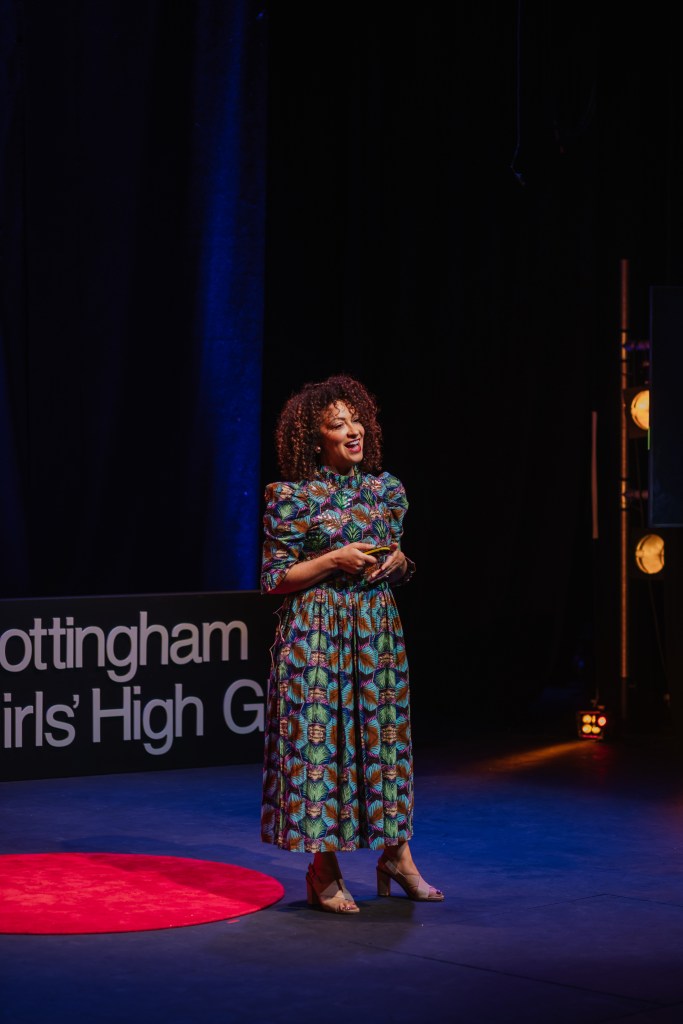
I gave a talk at the Nottingham TedX event in May. I shared the YouTube link to my followers on social media a few days ago, and it was so lovely to hear from friends and colleagues who took the time to read it and wanted to know all about it.
It felts like a big deal, so today’s blog is all about my first Ted experience.
Now that it’s over, I can say that I loved it. At the time, it felt unusually nerve-wrecking. I’m not usually nervous, I love a chat, and am comfortable jabbering on in front of people. But this felt different. It was important to me, and to my friends and colleagues who were also speaking at the event, and organising it too. I wanted to do the city proud, to represent my place of work, and to meet the brief of making people think differently – Ted describes itself as showcasing “ideas worth spreading” – and it felt like a demanding challenge!
Why was it so hard?
I decided to share the most recent chapter of my personal story – that of becoming an active anti-racist. It’s something that means a huge amount to me. It’s enabled me to engage with my mixed-race identity in a deeper and more meaningful way and it’s allowed me to give something back to a world that needs some positive change.
It was personal. That made it hard. I love talking, but I’ve never been very comfortable talking about myself. My family and friends were in the audience – so it was personal to them too – that felt like something I needed to treat with the utmost respect.
Reading in my early years – I still look like this if I get interrupted too often
Why was it so easy?
Despite all this, I was delighted to have the opportunity to go it. I was always going to say yes! All the things that made it hard, also made it easy in a way.
My talk was authentic. It was truthful and real.
Yes it was personal to me, but these last few years I’ve chosen to take up more space in the world with my personal views. By writing a blog, sharing my anti-racist journey publicly, supporting a literary charity, working in Diversity and Inclusion, I’ve moved well and truly out of my comfort zone. So I’m used to doing new things nowadays!
Importantly, I’m not doing all these new and challenging things for my own benefit, I’m doing them to support others and to drive positive change. That knowledge made things easier too.
I stood alongside supportive speakers who all believe in what they’re saying, and in me. Some of the people I love and admire most in the world were there in the audience cheering me on. It lifted me up despite the nerves.
Graduating from Sheffield Hallam University with a BA in English Studies
So what was it all about?
In a nutshell, I spoke about my love for books. But the content wasn’t as simple as “I love books”. I wanted to inspire people to think differently about the things they connect with. For me, finding a new way to connect with what I read, unlocked a brand new way of understanding of the world around me. That understanding inspired me to take action to make it a more equal place. For others, they might connect with art, films, documentaries……the principles are the same. I believe that it we truly connect with the world around us in a choiceful and deliberate way, we will understand it better, that that’s the key to changing it.
That was in fact my closing line. But let me start from the beginning and tell you a bit more about what I said. Hopefully it will encourage you to understand the power of connection too.
How do you feel when you think about reading a book?
This was the first question I asked the audience. There were lots of words that could have come to mind for them – relaxed, engaged, entertained, comforted…..for me the answer is this – it makes me feel….
Empowered by the knowledge they give me
Motivated to take action about what I learn
Inspired to do everything I can to make the world a better place.
I went on to explain, that it’s only by truly connecting with what I read, and being deliberate in which books I chose to invest in and read, that these feelings come about.
If you follow me on Instagram, or read my blog regularly, you’ll know that I made the choice to read solely authors of colour back in the Summer of 2020. This was my first act of antiracism. That summer, when I was reading more than ever while the world as quite literally locked down, and the Black Lives Matter movement had resurfaced, I had a penny drop moment. I realised that despite having read hundreds or books in my time, I could count on one hand the number of books I’d read by authors of colour. It made me realise how the publishing industry perpetuates the voices of the mainstream, specifically white voices. And how it is a classic example of systemic racism, where people of colour are excluded systematically, because they don’t have a seat at the table where decisions are being made. The status quo is maintained, and so it goes….round and round and round.
I took a purposeful, deliberate act, to do something differently. I have only read books by authors of colour since. It’s my way of self-educating, of redressing the balance of my past reading habits, and of sharing the work of people who could otherwise go unseen.
In my Ted talk, I encouraged the audience to really think about their habits and actions. As consumers, we can chose to spend our money differently, by seeking out businesses that are not part of the mainstream. As thinkers, we can explore points of view that are outside of the usual voices and the mainstream press. As educators, we can showcase the marginalised voices of history.
As readers, we can seek out new authors.
I have gotten so much out of this new reading journey. It has been one of the best things I’ve ever done. I’ve learned so much about the experienced of the global majority. I’ve felt seen and celebrated in the characters and situations I’ve read about. Books have been integral in a new-found connection and understanding of the world.
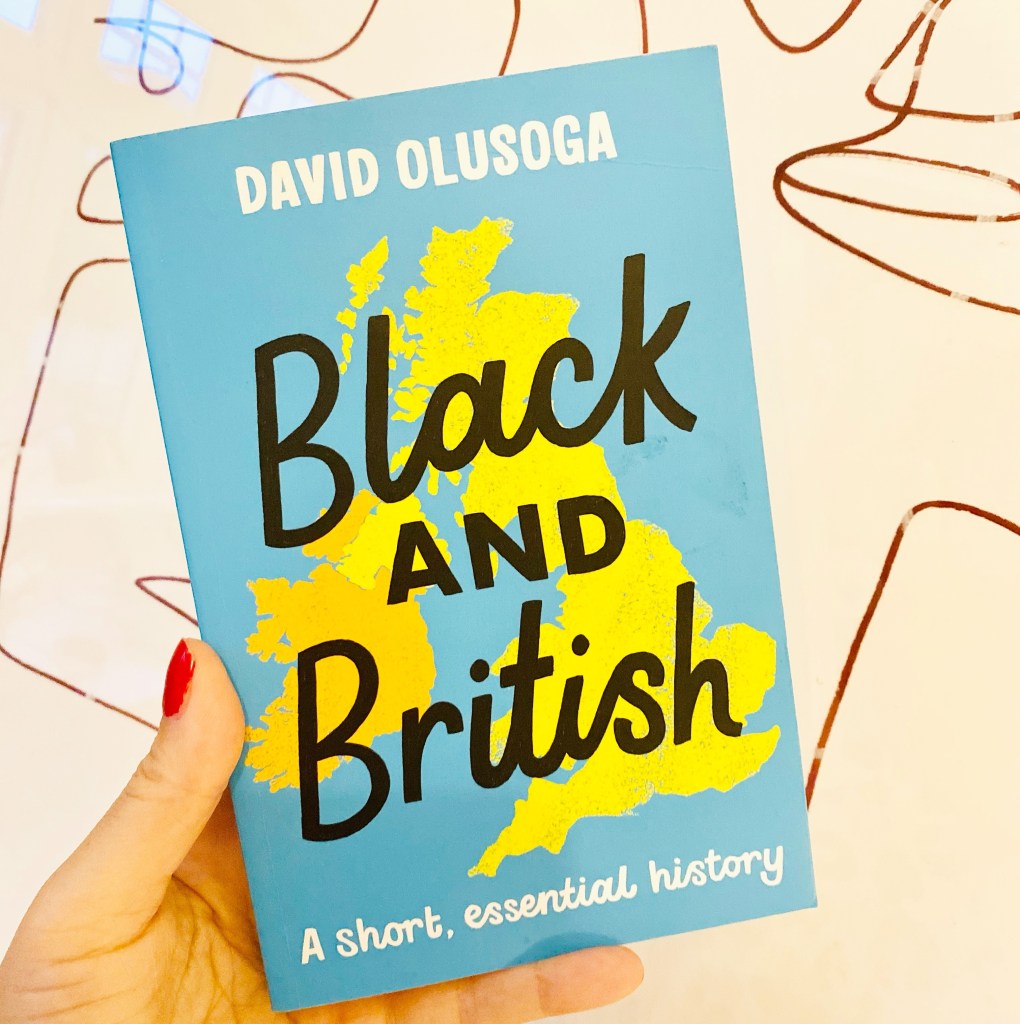
This understanding have helped me to find the courage to share my knowledge more broadly. I’ve shared my views in the media. I’ve become a Trustee for the Nottingham UNESCO City of Literature, and I’ve even moved into Diversity and Inclusion full time, an exciting career change for me after 20 years in Marketing.
What can you connect with?
I closed the talk with a call to action for the audience. I asked them to think about what they can connect with in order to understand the world a little better. I’ll ask the same of you now. What’s your thing? Is it books, like me, or films? Netflix series? Retail? Fashion? Art? Whatever it is, I encourage you to be active in who you’re choosing, don’t just go along with the mainstream. Seek out the new, exciting, unsung heroes. Celebrate their successes and enjoy your new experiences. You never know, this could be a key step in the next path in your journey, and that could be fundamental in making the world a better place.
You can watch my talk here. And yes – of course the dress is Kemi Telford. The jewellery is Sara Christie, my favourite jewellery designer. She’s from Nottingham and is mixed race, so you can see why I like her!
Let’s dive right in and discuss the many elements of King Charles’ coronation that made me feel uncomfortable – the royal family’s history with slavery. Those looted jewels. The religious dogma that made some of us squirm, and, of course, who’s footing the bill.
The Not-so-Pretty Past
Okay, let’s address the elephant in the room that is not very well hidden nowadays — the royal family’s connection to slavery and colonialism. We can’t deny it, folks. There’s some unforgivable baggage there. As we march forward into a supposedly more enlightened era (who’d have thought we’d ever see a Black gospel choir in Westminster Abbey?) it’s a welcome thought that King Charles has ordered an investigation into the inhumane mistakes of our past. I wonder what he’ll do with the information. C’mon Charles – let’s see what you’re really made of.
Jewels: Bling or Blunder?
Now, let’s talk about those dazzling crown jewels. Wow – they really are stunning. But hang on – can we really admire them when we know they were looted during colonialisation. At least the Koh-I-Noor diamond wasn’t used. I guess we can be grateful for that. But it doesn’t mean it’s being given back to India. Again, time will tell if this seemingly progressive approach will play out with any real steps towards accepting the wrong doing of the British colonial past.
Religious Dogma: Amen or Awkward?
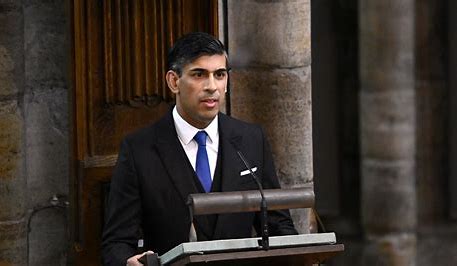
The coronation ceremony took place in Windsor Abbey, of course, and leaned pretty heavily on Christian religious dogma. It’s not for me – and it’s not for many of my friends who have other, or no, religious faiths. Did anyone else find it awkward when our Hindu Prime Minister stood at the pulpit to deliver his Christian reading? Is the connection with Royalty and Christianity another sign of its potential irrelevance and outdated tradition – one that excludes so much of British society? Would a secular or multi-faith ceremony be more in keeping?
Who’s Paying the Bill?
Last but not least, we can’t avoid the very un-British subject of money. The financial burden of royal events and maintaining the monarchy can make our heads spin. We, the taxpayers, are the ones footing the bill. As we face alarmingly challenging times financially, it’s worth wondering if there’s a fairer way for Britain to finance the monarchy. Maybe it’s time for the royal family to tap into their own billions of private wealth, if they really believe that they’re here “To serve. Not to be served.”
It’s been a strange day. I, like most people my age, grew up being told by the press and school history lessons that the Queen was wonderful, and that we were lucky to have a royal family. It took deliberate action to educate myself on what our history really involves. But it wasn’t hard to find.
It’s time we all opened our eyes isn’t it? And to take a more balanced view of all of this, so that we can at least form more educated opinions.
There haven’t been any union jacks flying from my windows, or paper crowns or parties this weekend. I’ll leave the celebrations until I see what Charles does in the future. I do feel some hope – I can see some green shoots but the proof will be in the pudding (or scone, or trifle).
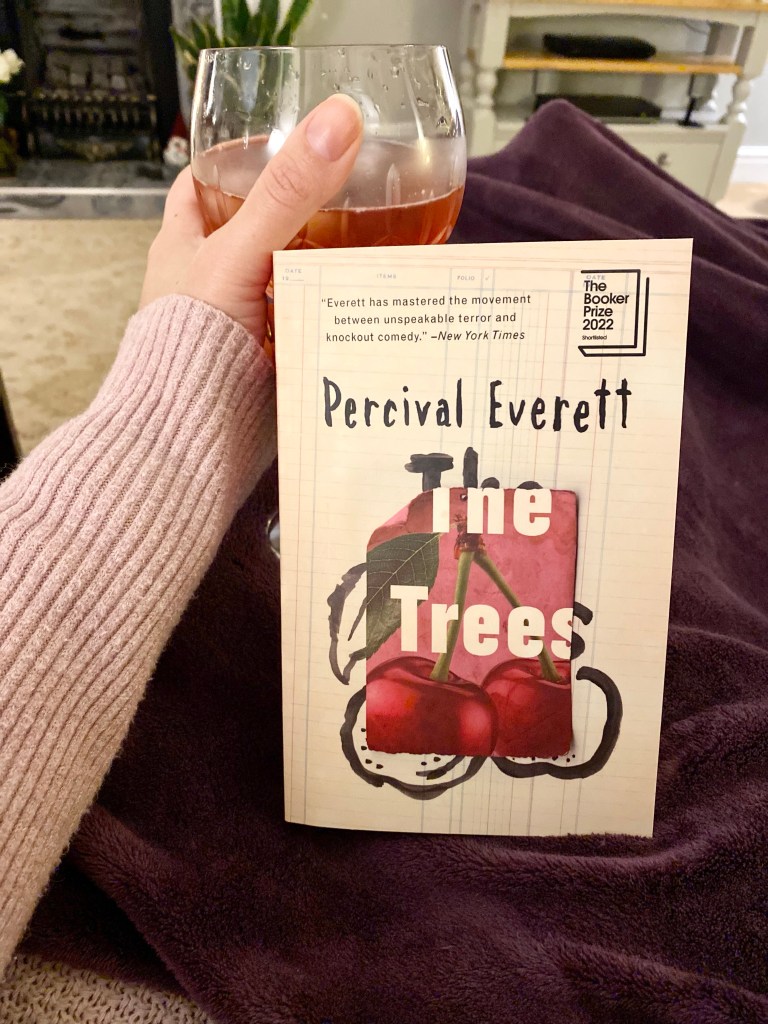
The lovely Notts TV Book Club invited me to read The Trees by Percival Everett. All I knew about this book before I opened it, was that it was connected to racist lynching in Mississippi in the “The Trees” in the 50s. With such an evocative title, and such an inescapably important context, I knew I had to read it.
In all honesty – it’s hard to know where do I start with this review? It’s possibly one of the most unusual books I’ve ever read. I fear my thoughts will be as wild as the narrative, so forgive me if they feel a little all-over-the-place.
First things first – did I like it?
I don’t think I can even answer that question succinctly. I had a love-hate relationship with it. I loved the fact it caught me by surprise in many ways. I hated the constant use of the n-word and the toe-curlingly dreadful characters who used it. I loved the unapologetic centering of the thousands of victims of lynching. I appreciated the author’s mocking and humorous portrayal the White racists. I didn’t love the fact that I had no idea what genre I was reading (crime? satire? horror?) – but I loved it for this at the same time.
But I’m getting ahead of myself. Let me take a breath and tell you a little bit about it….
The Trees is inspired by the true story of Emmett Till. A fourteen year old Black boy who was accused of saying something suggestive to a White woman, Carolyn Bryand, and murdered as a result. He was subjected to racist torture and lynching. Sadly, not an unusual story. It’s estimated that around 5,000 Black men and women were lynched in America in the 18th and 19th centuries. In Emmett Till’s case, Carolyn Bryand later admitted to lying about the whole thing. Her accusation wasn’t true. But by then the damage was done. The extreme racists had been given their opportunity and taken in.
This awful piece of American history is what Percival Everett takes as his starting point for the book.
In The Tress, Granny C is a primary character. She is an elderly White woman living in Money, Mississippi (the town where Emmett Till resided in real life) with her comically dysfunctional family. Her son is murdered and disfigured in a funny-not-funny way at the start of the story. Spookily, found next to his corpse, is the corpse of a long dead Black boy. Granny C is haunted by this, she believes her past has come back to haunt her, and to seek vengeance on those she loves. I won’t say too much more for fear of spoiling it for anyone who wishes to read The Trees, but I’ll just say that this powerful beginning turns into many twists, turns and terrifying instances. The murders continue, as does the appearance of the Black cadaver, bringing with him the messages of revenge and unfinished business from the past. Interwoven with the alarming plot, is some witty crime writing, cop drama, intriguing supernatural occurrences and ultimately, a socio-politically astute time of reckoning for the lost lives of so many at the hands of racism.
As you all know – I love a good book. I like a page-turning story and a beautiful turn of phrase. But more than that, I love the steps that each and every one of them takes me on on my journey towards anti-racism. The Trees, for all it’s craziness, taught me a lot.
It forced me to think about justice, and the lack of it for Black Americans. The thousands of people killed, which are painstakingly listed over six pages of the book, and the impact on their families and communities can’t be denied, and in The Trees, they jump out t at you and bite you on the nose. The revenge sought for the deaths could be more aptly named justice. You may have seen the news articles lately, showing pictures of an elderly lady in a nursing home – Carolyn Bryant – living out her dotage. A luxury that Emmett Till, and many others, weren’t afforded.
Resurrection is also an important theme in Everett’s novel. It highlights the fact racism has sadly never gone away. Racism, brutality and injustice are still facts of life for people of colour in the Western world. The same prejudices rise again and again. The stats on police brutality and hate crimes sadly make it unavoidable to ignore the continuing problems.
Everett highlights the horror and the white-washing of history extremely powerfully. One poignant line “history is a mother fucker” couldn’t be more apt. Terrible, horrendous, unforgivable things have happened in history, but little of it is taught or understood, therefore, you could argue that little is learnt from it. What’s happening in the world today will be the next generations history lesson. What will they think of 21st Century society?
Something I’ve learned lately – you have to make a conscious choice to work towards racial justice. You have to actively seek out the stories of people of colour, otherwise you could easily remain blissfully unaware. It’s not always easy, but I’m glad I’ve made that choice. I’ve learnt, been inspired and taken action as a result. By reading this blog, you’ve made that choice too. Thank you. And let me know what you think of the book!
The Winter holidays have been a perfect opportunity to catch up with friends, and with great friends come great chats. Conversations always inspire me, and when I was nattering with someone about some training they’d received on the subject of privilege, it made me want to tap out some thoughts on it.
What is it? What isn’t it? And why is it so hard to talk about?
So what does privilege really mean?
There are a few definitions with slightly different nuances, but one that strikes me as pretty accurate is this:
“A special right, advantage, or immunity granted or available only to a particular person or group.”
The word “immunity” is an important one here. It makes is clear that privilege is not a particular attribute, but rather a protection against something damaging.
In the context of racial equality, you’re perhaps familiar with the term “white privilege”. This is the absence of barriers that people of colour often face due to their ethnicity. For example, in general, white people are less likely to face the barriers of under-representation in certain industries such as teaching or law. They’re less likely to struggle to find a hairdresser on a UK high street. Less likely to be perceived to be loud aggressive, threatening or even criminal on first sight. They’re less likely to be verbally or physically attacked due to their ethnicity. To be arrested. To be more heavily punished by the police in the case of arrest or complaint. To die in childbirth. The list could go on – from the minor to the major.
Alongside the basic “Black vs white” ethnic privilege is colourism. Something I’m conscious of as a fair skinned mixed-race woman. The closer to “whiteness” people are, the more privilege they own. I may not be white, but I’m used to seeing images of women with my ethnic mix in fashion magazines. I’m unlikely to be called an offensive racial slur. I’m perceived to be less threatening than my darker skinned sisters.
Add intersectionality into the mix and it’s easy to become quite overwhelmed by the multi-layers of privilege that exists in society. For example, If you’re a Black trans person, you can expect many more barriers than a cis Back person, or a white trans person. If you’re a Black woman, you can expect to suffer from both the gender pay gap and ethnicity pay gap (statistics show you’re likely to be paid less than both your male and your white counterparts by 14% and 26% respectively).
Pretty mind-blowing.
But what isn’t it?
It’s really important for me to explain what privilege isn’t. Because assumptions make for this to be a hard topic for many people to talk about. It isn’t:
A judgement
An insult
About your level of “poshness”
An indication on how hard you work
Something to be ashamed of
But it can often feel this way for those of us who hold privilege. We can often feel guilty, even though our privilege is out of our control.
Why isit so emotive?
It’s easy to associate the term privilege with something negative, and unfortunately it’s often associated with racism, homophobia, mysogyny. It makes people feel guilty for things they can’t control. It can make them feel like others think they’ve been handed their achievements on a plate, undermining their hard work and skills. It causes people to feel defensive, understandably, because no-one wants to be associated with these things.
Wouldn’t it be wonderful to turn “privilege” into a word of empowerment?
Wouldn’t it be great to think about our privilege as something positive. Qualities that we inherently possess that give us the power to make a difference in the world. Things that enable us to use our position to lift others?
Because actually, that’s what it is?
We all have strengths, skills, personal qualities and places in the world that we can use for good. It doesn’t have to be about about division, it can be about allyship, solidarity and bringing people together, as long as it’s recognised and utilised.
So here’s what I suggest
If you’re looking for ways to harness your own privilege-power, here are my words of advice.
Get comfortable with the uncomfortable. Understand your own privileges and own them.
Think beyond yourself – this isn’t about you. It’s about the wider world and bridging the gap between its inequalities.
As it’s New Year, make a resolution to use yours. Start small (have a look at one of my earlier blogs, “The Circle of Influence”) and make a start.
Thank you in advance. I’m excited about how we can turn this polarising word into one of power and progress.
And thank you for being here. Here’s to 2023 and more positive changes in the world.
Well it’s been a whirlwind few weeks in the world of conversations about race hasn’t it? Meghan and Harry’s Netflix docuseries has sparked many a water-cooler chat. You all know my thoughts on Meghan, someone I admire for refusing to be bullied into silence. I chatted to BBC Radio Nottingham’s Sarah Julian on her breakfast show the day after the Netflix release. And I’m pleased to hear from people who have started to see how powerful and prejudiced the British media have been in Meghan’s story thanks to the programme.
Jeremy Clarkson’s recent diatribe in The Sun proves the point. And I am so proud of the 17,000 individuals who complained to IPSO and the 31,000 who complained to Ofcom about his inflammatory words. (The original column has now been removed.)
My mind has been whirring with it all and has got me thinking about the power of language. You know I love to chat. And this blog is all about inspiring positive change through conversations. But equally, from prejudiced mouths, words have a frightening power to harm.
A couple of weeks ago, Meghan Markle released the latest episode of her podcast, Archetypes, just as she does every Tuesday. This one was about the angry Black woman trope and it set Twitter on fire even more than anything else because of the use of my favourite poem of all time, Maya Angelou’s And Still I Rise.
I tweeted my feelings about it, and got a stronger response than I’ve ever had on Twitter before. A couple of trolls yes, but overwhelmingly, retweets from women of colour who resonated with my comment ‘if you know, you know.’ We all feel seen by the words of that iconic poem.
The podcast, Maya’s words, the Twittersphere, it all got me thinking….why have I always loved that poem so much? Why do I feel so strongly about supporting Meghan? And why does the combination of the two make the hairs on the back of my neck rise and tears spring to my eyes?
A personal perspective on how social media works for me.
I had a healthy debate about social media the other day. My conversation partner – someone who has a distaste for grinning selfies and show offs. Myself – a fan of the more meaningful side of Instagram, Twitter, LinkedIn and their bedfellows.
How do you use social media?
Mindless scrolling to switch off at the end of the day? A way to keep connected to friends and family? To keep up to date with the news? For tuition on how to care for your hair type? (that’s definitely me!)
It’s a part of life that’s not going anywhere, let’s face it, so here’s how I recommend you use it if you, like me, are on a journey of anti-racism.
These are the elements that make social media about so much more than selfies and show offs.
Diversity – it’s the easiest way to see all walks of life on a regular basis. A beautiful and varied community is at your finger tips.
Representation – it’s also a simple way to find people like you if you’re part of a minority group and don’t often find others like yourself in every day life. If you ever feel that you don’t belong, you can find a place on social media and follow people like you doing great things, overcoming challenges, and just being in the world.
Guidance – finding bookstagram was like winning the lottery for me! A great example of social media providing guidance and recommendations, in my case, books!
Keeping current – I rarely read traditional newspapers, I’m too aware of their biases. Do you? Or do you, like me, find out the basics of what’s happening in the world through social media, and go deeper into the stories that you choose to investigate further?
And keeping in touch – if you’ve read some of my previous posts, you’ll know how important my network is to me. Social media is a great way to stay connected, to show my support for them, and to feel their support too.
So how do you use social media as an anti-racist tool? Here are my top tips.
Follow a range of people – of all ethnicities, backgrounds, points of view (yes, that includes those you strongly disagree with!)
Learn others’ stories – understand their experiences and take yourself out of your circle.
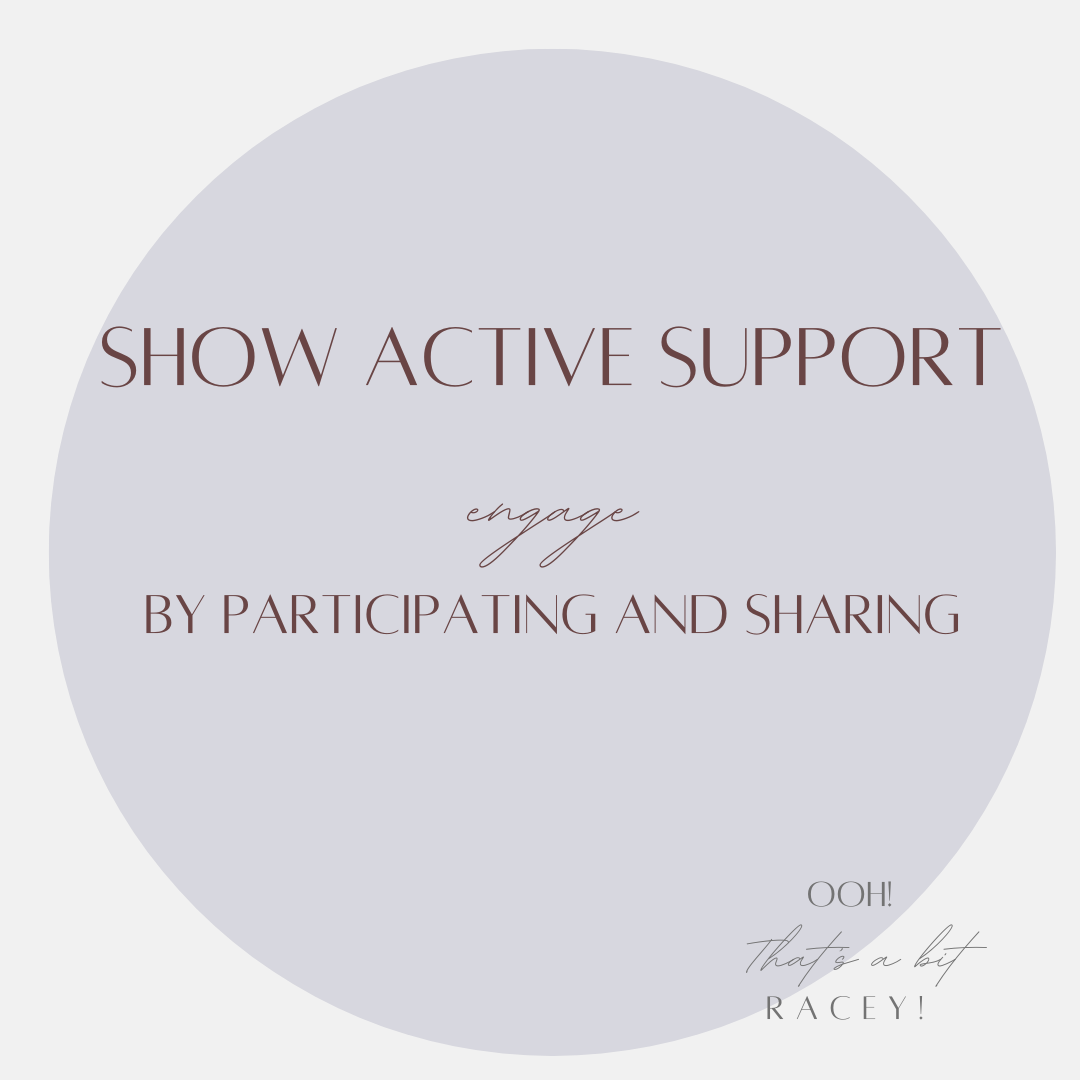
Be active in your support – engage with those who are trying to make a difference. Answer their polls. Comment on their questions. Share their posts.
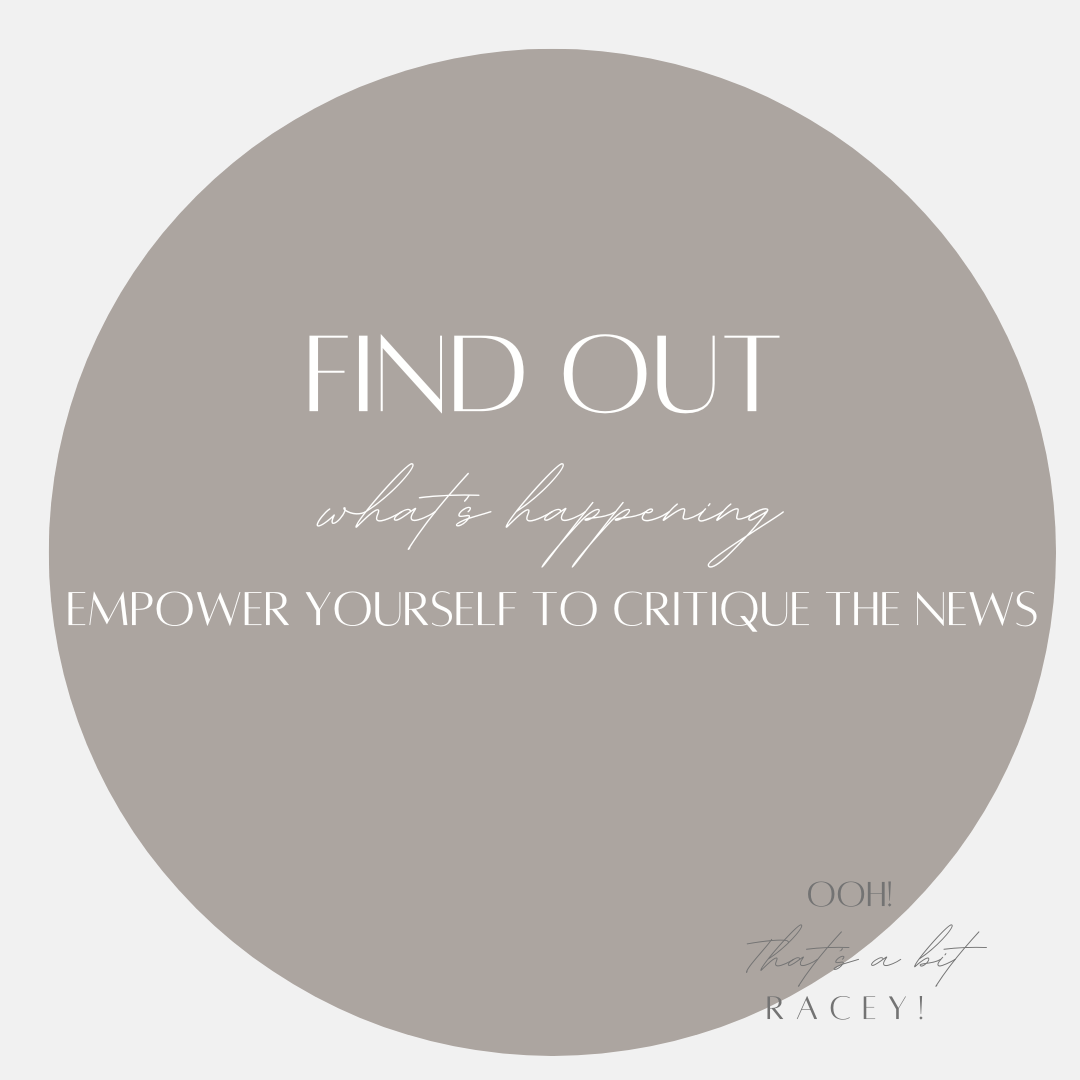
Exercise your critical thinking muscles – challenge what you see, explore alternative points of view, don’t just take it as read.
Keep talking – use what you learn to inform conversations. Provide evidence against prejudiced points of view, back up your arguments with the expertise you find online, strike up a conversation about something interesting you’ve read.
In many ways, social media is a way to build the five key anti-racist skills I explained in one of my previous posts, The Big Five. It helps to develop empathy and self awareness; critical thinking; communication skills; self-education and allyship.
Of course, my favourite, is that it gets people talking. But what’s new there?














 thatsabitracey.com